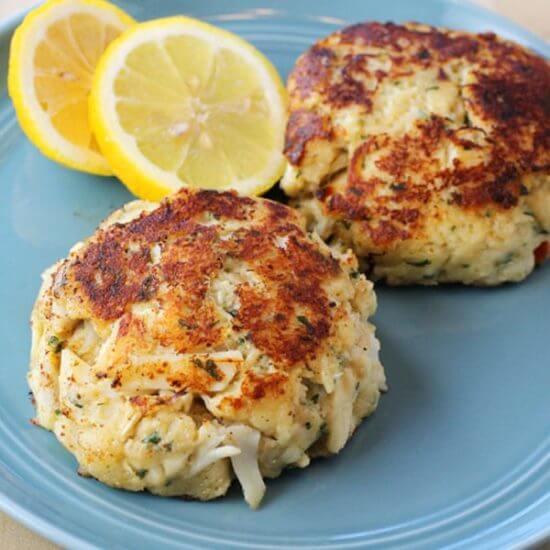
Unveiling the Perfection of Maryland Crab Cakes: Beyond the Recipe
There are few culinary delights as revered and celebrated as the maryland crab cakes. More than just a dish, they represent a quintessential taste of the Chesapeake Bay, a symbol of Maryland's rich seafood heritage. While many claim to offer an authentic version, the true essence lies in a delicate balance of fresh, sweet crab meat, minimal filler, and expert preparation. This article, the second in our series, delves deeper into what elevates a good crab cake to an unforgettable one, exploring the nuances of ingredients, cooking techniques, and the genuine spirit behind this iconic delicacy.
Whether you're a seasoned chef, an aspiring home cook, or simply a discerning food lover, understanding the intricate details behind the perfect maryland crab cake will enhance your appreciation and enjoyment. From sourcing the finest crab to mastering the cooking methods, we'll guide you through the journey of creating and savoring this legendary dish.
The Anatomy of a Perfect Maryland Crab Cake
What truly sets a Maryland crab cake apart? It's a combination of meticulous ingredient selection and a philosophy that prioritizes the star of the show: the crab. Unlike many crab cakes found elsewhere that are often laden with breading and fillers, authentic maryland crab cakes are a celebration of the delicate flavor and texture of fresh crab meat.
Quality Crab Meat is Paramount
The foundation of an exceptional Maryland crab cake begins and ends with the crab itself. There is simply no substitute for fresh, high-quality blue crab meat, ideally sourced from the Chesapeake Bay. Here's what to look for:
- Jumbo Lump: These are large, pristine white chunks of meat from the two largest muscles connected to the swimming fins of the crab. They offer an impressive visual appeal and a wonderfully sweet, succulent texture. Jumbo lump is the gold standard for premium crab cakes.
- Lump: Consisting of large, broken pieces of jumbo lump and smaller pieces of body meat, lump crab meat still delivers excellent flavor and texture, making it a fantastic choice.
- Backfin: A combination of broken lump and flake meat, backfin is often used for crab dips or stuffings but can be part of a binder in a crab cake if used sparingly and in conjunction with higher-grade meat.
Always opt for fresh (not frozen) if possible, and ensure the meat smells sweet, not fishy. Gently pick through the crab meat before mixing to remove any stray shell fragments – this step is crucial for an enjoyable eating experience.
The Binder: A Delicate Balance
The cardinal rule for maryland crab cakes is "less is more" when it comes to the binder. Its sole purpose is to hold the crab meat together just enough so it doesn't fall apart during cooking, without ever overshadowing the crab. A heavy, bready binder is the hallmark of an inauthentic crab cake.
Typical binder ingredients include:
- Mayonnaise: A good quality, full-fat mayonnaise provides moisture and richness.
- Egg: A lightly beaten egg acts as a crucial binding agent.
- Dijon Mustard: Adds a subtle tang and complexity without being overtly mustardy.
- Worcestershire Sauce: A dash enhances umami and depth of flavor.
- Crackers or Bread Crumbs: Saltine crackers, crushed finely, or a small amount of Panko breadcrumbs are traditionally used. The key is a very small amount, just enough to absorb excess moisture and provide structural integrity.
The goal is a mixture that looks predominantly like crab meat, barely held together by the binder.
The Iconic Seasoning: Old Bay and Beyond
No discussion of maryland crab cakes would be complete without mentioning Old Bay Seasoning. This distinctive blend of celery salt, paprika, red pepper, and other spices is synonymous with Chesapeake Bay seafood. It provides that signature spicy, savory, and slightly salty kick that is instantly recognizable.
Beyond Old Bay, other seasonings might include:
- Fresh parsley, finely chopped, for a touch of freshness and color.
- A pinch of salt and black pepper, adjusted to taste.
- A dash of hot sauce (like Tabasco) for an extra layer of heat.
Remember to season judiciously; the crab's natural sweetness should always shine through.
Mastering the Art of Cooking Maryland Crab Cakes
Once you have your perfectly mixed crab cake patties, the cooking method can make all the difference in achieving that ideal golden crust and tender interior.
Pan-Frying vs. Baking: Which Method Reigns Supreme?
Both pan-frying and baking are popular methods for cooking maryland crab cakes, each offering distinct advantages.
- Pan-Frying (The Traditionalist's Choice):
- Pros: Creates a beautifully crispy, golden-brown crust and a rich, buttery flavor. It's often considered the more authentic method.
- Tips: Use a neutral oil (like canola or grapeseed) or a blend of oil and butter. Heat the pan to medium-high before adding the crab cakes. Don't overcrowd the pan, and cook for 3-5 minutes per side, or until golden brown and heated through. Handle gently with a thin spatula.
- Baking (The Lighter Alternative):
- Pros: A healthier option that still yields delicious results. The crab cakes stay incredibly moist and tender.
- Tips: Preheat your oven to 400°F (200°C). Place crab cakes on a lightly oiled baking sheet. Bake for 15-20 minutes, or until lightly golden and firm to the touch. For an extra touch of crispness, you can finish under the broiler for a minute or two, watching carefully.
Some recipes also suggest broiling for a quick, even cook and a nice crust, especially if you prefer no added fat.
Tips for Forming and Handling Your Crab Cakes
The delicate nature of crab meat requires a gentle touch throughout the process:
- Gentle Mixing: Mix ingredients by hand, not with a spoon or spatula, to avoid breaking up the lump crab meat too much.
- Chilling is Key: After forming, refrigerate your crab cakes for at least 30 minutes. This helps them firm up and prevents them from falling apart during cooking.
- Don't Over-Compress: When forming patties, be gentle. You want them to hold their shape, but not be dense or tightly packed. A light hand ensures a tender, flaky interior.
- Consistent Size: Aim for uniform size and thickness so they cook evenly.
Beyond the Plate: Serving Suggestions and Pairings for Maryland Crab Cakes
While the maryland crab cake is undoubtedly the star, thoughtful accompaniments can elevate the entire dining experience.
Classic Accompaniments
Keep it simple and fresh to complement the crab:
- Lemon Wedges: A squeeze of fresh lemon juice is non-negotiable; its acidity cuts through the richness and brightens the flavors.
- Tartar Sauce: A homemade tartar sauce, with chopped pickles, capers, fresh dill, and lemon mixed into good mayonnaise, is far superior to store-bought versions.
- Cocktail Sauce: For those who prefer a spicier kick, a classic cocktail sauce with horseradish is always a hit.
- Simple Sides: A crisp coleslaw, sweet corn on the cob, roasted asparagus, or a light green salad with a vinaigrette dressing are perfect pairings.
Beverage Pairings
To complement the delicate flavors of the crab cake, choose beverages that are light and refreshing:
- White Wine: Crisp, dry white wines such as Sauvignon Blanc, Pinot Grigio, or a unoaked Chardonnay are excellent choices.
- Beer: A light lager, a crisp pilsner, or a Belgian wheat beer can beautifully cut through the richness.
- Non-Alcoholic: Freshly brewed iced tea (sweet or unsweetened), sparkling water with lemon, or a homemade lemonade are refreshing alternatives.
Debunking Myths and Answering FAQs About Maryland Crab Cakes
The mystique around maryland crab cakes often leads to misconceptions. Let's clarify a few common points.
Is There a "Secret Ingredient"?
Often, people ask about a secret ingredient that makes Maryland crab cakes so special. The truth is, there isn't one. The "secret" lies in the quality of the ingredients – primarily the crab – and the minimal approach to the binder. It's about letting the natural sweetness and texture of the blue crab shine, rather than masking it with complicated additions.
Can I Freeze Maryland Crab Cakes?
Yes, you can! This is great for meal prep or for saving leftovers.
- Uncooked Crab Cakes: Form the patties, place them on a baking sheet lined with parchment paper, and freeze until solid. Once frozen, transfer them to an airtight freezer-safe bag or container, separating layers with parchment paper. They can last for up to 2-3 months. Cook from frozen, adding a few extra minutes to the cooking time.
- Cooked Crab Cakes: Allow cooked crab cakes to cool completely. Wrap each individually in plastic wrap, then place them in an airtight container or freezer bag. Freeze for up to 1 month. Reheat gently in an oven or toaster oven until warmed through.
Conclusion
The journey to appreciating and mastering maryland crab cakes is a delicious one. From understanding the vital role of premium crab meat and a minimalist binder to perfecting the cooking method, every step contributes to the legendary status of this dish. Whether you're making them at home or seeking them out at a quintessential Maryland establishment, the essence remains the same: a profound respect for the ingredients and a commitment to showcasing the unparalleled flavor of the Chesapeake blue crab. We hope this deep dive inspires you to experience the authentic taste of Maryland and savor every succulent bite of these truly exceptional crab cakes.
